
Achieving a 7 Star Rating for Your Energy Efficient Home
In today's world, energy efficiency is not just a trend; it’s essential for both the environment and your wallet. With energy prices continuing to rise and more people concerned about their ecological footprint, the need for energy-efficient homes is at an all-time high. One of the most respected benchmarks in this area is the 7 Star Rating, a testament to sustainability that brings practical benefits like lower energy bills and improved comfort. This post will guide you through the steps to achieve a 7 Star Rating for your home, ensuring both comfort and efficiency.
Understanding the 7 Star Rating
The 7 Star Rating is part of the Nationwide House Energy Rating Scheme (NatHERS) in Australia. This framework assesses the thermal performance of homes, focusing on their ability to conserve energy while maintaining comfort. Achieving this rating involves careful consideration of design elements like insulation, home orientation, and the efficiency of heating and cooling systems.
For context, a home with a 7 Star Rating can consume up to 20% less energy compared to a typical new build, making it a significant goal for modern homeowners.
Key Elements to Consider
1. Orientation and Design
The orientation of your home is pivotal in enhancing energy efficiency. Smart design can harness natural light and ventilation, reducing reliance on artificial heating and cooling.
North-facing windows can capture up to 90% of winter sun, lowering heating needs.
Well-designed eaves and overhangs can keep your home cool in summer, minimizing air conditioning use by as much as 30%.
Strategically positioning windows and shaping your home layout can markedly improve its energy performance.
2. Insulation
Proper insulation plays a vital role in managing indoor temperatures year-round. Effective insulation allows you to keep warmth in during winter and out during summer, leading to energy savings.
Roof insulation can retain up to 25% of heat, significantly impacting energy costs.
Wall and floor insulation complements roof insulation, enhancing overall efficiency.
Investing in high-quality insulation can make a measurable difference in achieving that coveted 7 Star Rating.
3. Energy-Efficient Windows
Windows often account for a significant portion of heat loss in homes. To enhance efficiency, consider these solutions:
Double or triple-glazed windows can reduce heat loss by 50% or more compared to single-glazed options.
Low-emissivity (Low-E) coatings reflect heat back inside during colder months and keep it out in summer.
Choosing appropriate windows can dramatically influence your home's overall energy efficiency.
4. Heating and Cooling Systems
The type of heating and cooling systems you use is crucial for achieving a 7 Star Rating.
Reverse cycle air conditioning offers high energy efficiency for heating and cooling, often rated over 5 stars for performance.
Ensuring that ducted systems are well-insulated can prevent energy loss, which can be as high as 30% in poorly maintained systems.
Regular maintenance ensures these systems operate optimally, saving energy and costs.
5. Renewable Energy Sources
Incorporating renewable energy sources is key to making your home more efficient overall.
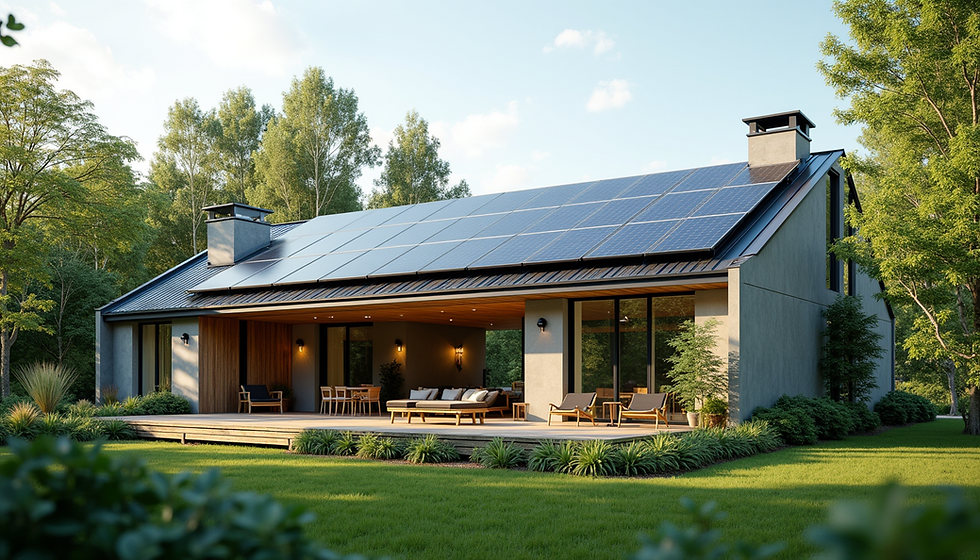
Solar panels can cover around 60-80% of your energy needs, significantly reducing reliance on the grid.
Solar hot water systems can lower water heating energy consumption by up to 75%, adding to your home's efficiency.
Utilizing renewable energy can move your home significantly closer to that 7 Star Rating.
6. Water Efficiency
While energy efficiency is a primary focus, water efficiency also plays a crucial role in a sustainable home.
Rainwater harvesting systems can reduce mains water demands by up to 50%, making a significant impact over time.
Implementing water-efficient fixtures can cut your water consumption, supporting your overall sustainability goals.
By incorporating water-saving methods, you complement your energy efficiency efforts.
7. Sustainable Materials
The choice of materials in your home construction can significantly impact its energy performance.
Using sustainable building materials like bamboo and recycled steel can lower the environmental cost of construction while enhancing efficiency.
Opting for low-VOC paints and finishes can improve indoor air quality, benefiting health as well as the environment.
Selecting sustainable materials supports both ecological goals and contributes to your energy rating.
Your Path to Energy Efficiency
Achieving a 7 Star Rating for your energy-efficient home is a detailed process requiring thoughtful planning across multiple areas. From design choices like orientation to essential elements such as insulation and sustainable materials, each decision influences your home’s energy performance.
Focusing on energy-efficient windows, effective heating and cooling systems, renewable energy sources, and water efficiency will help create a comfortable, eco-friendly home that not only meets the 7 Star Rating criteria but also fosters a sustainable future.
Investing in energy efficiency means creating a living space that is comfortable, cost-effective, and kind to our planet. Every small step towards this goal leads to significant benefits, making your journey towards a more energy-efficient home both rewarding and impactful.

Comments